Make me feel…

Of late I have been bothered by much of the therapy speak I see cropping up everywhere. I’ve always been slightly irritated by the therapy buzz words, but it used be reserved to certain arenas. Now it feels impossible to get away from it. Some are impenetrable, some misapplied and some a little stupid. So, come with me in a little therapy rant.

Sit with it.

The ‘it’ being emotions. I doubt there is anyone who has ever sought mental health treatment who is unfamiliar with this phrase. I have been advised to ‘sit with’ all manner of feelings. I’ve never been entirely sure what this means. Nor has any explanation ever satisfied me. Let yourself feel it makes sense if you are actively avoiding emotions. I used self harm, disordered eating and occasionally alcohol to block emotions that I wasn’t able to deal with. However, when I moved past avoidance it was still the guidance I was given. When I was ready to acknowledge and tackle those feelings I needed more. ‘Let yourself feel it’ is redundant. I am feeling it; that is the problem.

Sit with it in black letters

Don’t Judge it.

Once you are sitting in all that emotion you will often be advised ‘not to judge it’. Just feel it, they’ll say. Well, I’m sorry, that’s impossible. I have already judged it. Judging is a prerequisite for finding something problematic. The judgement is automatic. More than that, it’s involuntary. The minute I find the emotion unpalatable it has been judged. I came to the (sometimes correct) conclusion that perhaps what these therapist meant was don’t judge yourself for having that emotion. That makes sense, I can work on not attaching negative connotation to what I feel or how uncomfortable that makes me. I can even get on board with attempting not to label specific emotions intrinsically negative. I’m not convinced, but I do see how in some cases that could be fruitful. However, removing the intuitive I DO NOT LIKE THIS just doesn’t strike me as a realistic goal. If I were able to control my brain in that way, I wouldn’t have a problem.

Let it go.

Feel it and then let it go is definitely the aim. I’m not sure it actually counts as advice though. I know that getting stuck in difficult emotions is not good for me. What I need is help learning the way out if that. Restating what I should do is not helpful. I know the problem, I am here because I am looking for answers.

Inner Child

Many years ago when I first experienced therapy the inner child thing was kind of a joke. It never came up. Of course therapists talked about childhood experiences & being compassionate to past versions of yourself. However, a psychologist would never say the words ‘inner child’. Now it is everywhere; from woo woo spiritual healers to actual trained therapists. I’m sure it applies to some people, but it’s just not relevant to me. My inner child is a ok. I had a remarkably lovely childhood. I was loved, appreciated, supported, safe and very well taken care of. My ‘inner child’ is probably the healthiest part of me. I’m not carrying any painful scars from childhood. So, I have found it incredibly frustrating that everyone and their granny wants me to get in touch with my inner child and heal her. Even when I proffer my history and explain that my upbringing is not a problem area, I am still pressed to explore it. I don’t know how or why this happened, but I really don’t love it.
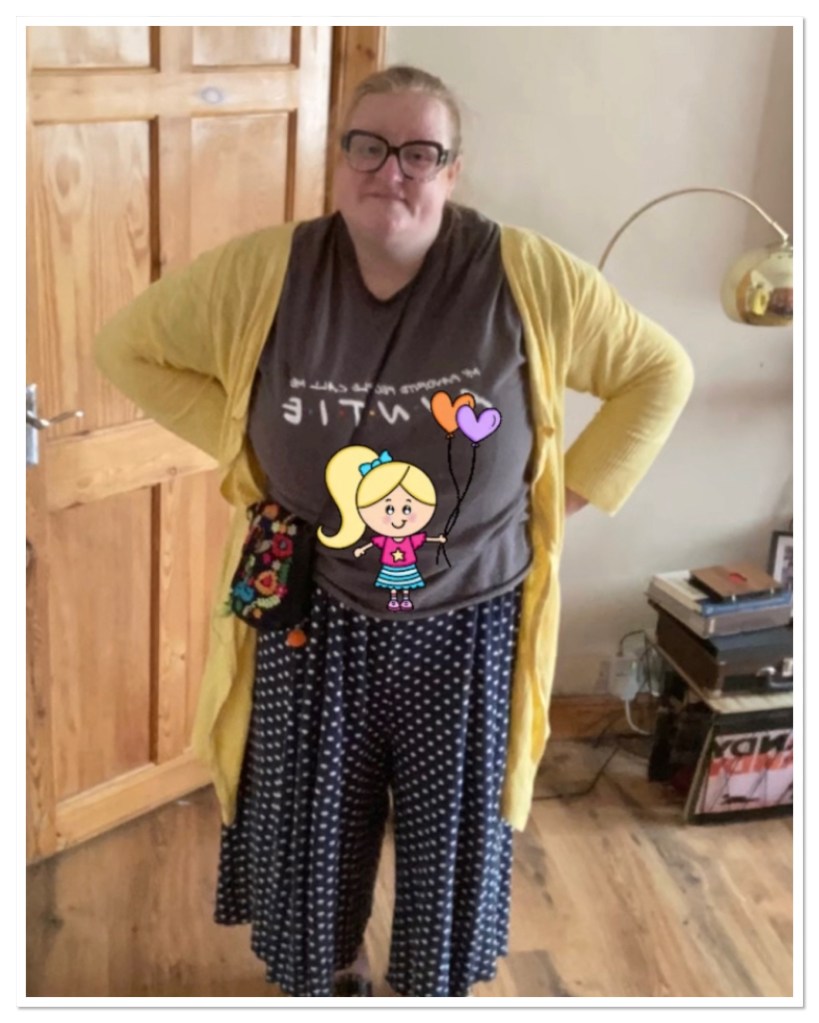
Picture of ly  with her hands on her hips and drawing of a child in her belly

Be vulnerable

This is another one that totally has merit in the right situation. There have been times when I have been scared of touching memories and emotions that made me feel vulnerable. I did need to work through that. Being vulnerable can be frightening, but it is also necessary. I would argue that engaging in therapy is already submitting to vulnerability in many ways. The showing up is a great first step. However, the canonisation of vulnerability has gone too far. There is definitely a time and a place for vulnerability. We can’t and shouldn’t always expose weak spots. We live in a fairly brutal capitalist society and being completely honest about your vulnerabilities will not serve you in many situations. People will take advantage, they will bypass you based on their perception of that vulnerability and many folk will judge you. Still I hear professionals who really should know better urge everyone to embrace their vulnerability throughout their life. It drives me crazy; we need to protect ourselves. Let yourself be vulnerable in safe spaces only.
Drawing of hands holding a heart on green background

Am I just jaded? Or do you feel frustrated by these therapy catchphrases? Maybe you have your own therapy pet hates. I would love to know your takes.
Close up of sleeining cat face and paws
Adorable Bronan for rant tax.

If you enjoy my writing you can support me here or on Patreon.
Wake me up inside…

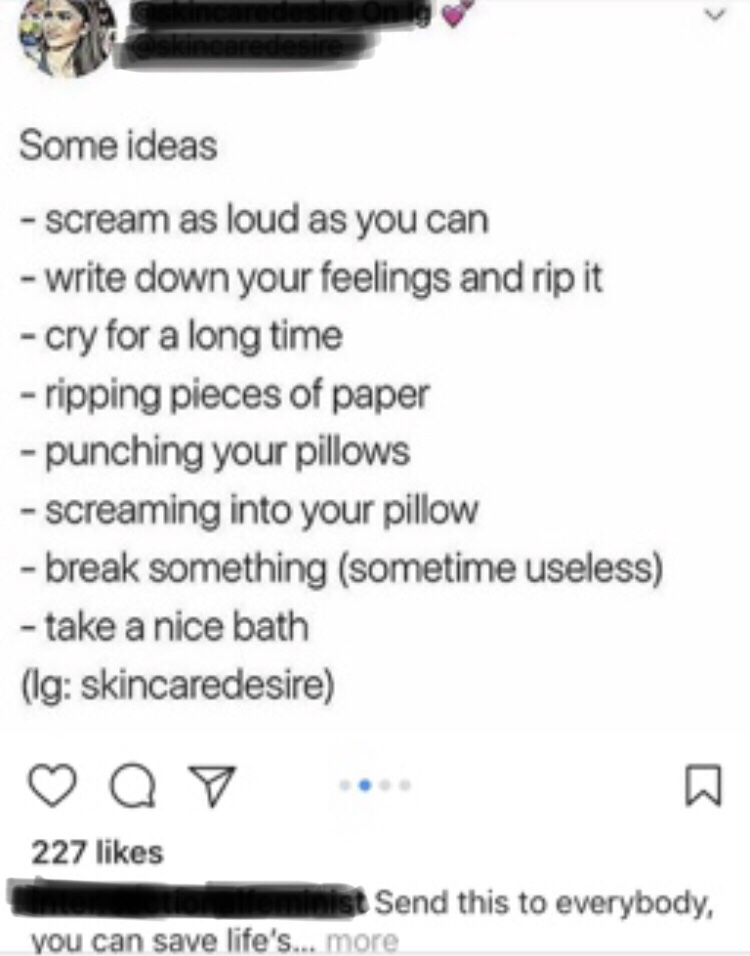
Today I saw another one of those social media that purports to offer alternatives to self harm. This time the post also claimed that sharing this information would save lives.

I’m just going to be completely honest, this bull isn’t saving any lives. These are not credible alternatives to self harm. They will not stop an ill person from hurting themselves. They don’t solve the problem of why a person might feel the need to hurt themselves; they don’t even address it. In fact, in some cases they reaffirm the idea that hurting yourself is a good coping mechanism (just so long as you do it in a socially acceptable manner).

I’ve talked & written about why these suggestions are insulting until i’m blue in the face. I see others giving excellent arguments against such advice & yet this sort of thing is still the only information disseminated in the mainstream. So, I thought I’d try to talk about what actually can help one refrain from hurting oneself.

My suggestions are more complicated & time consuming & bloody hard. They don’t lend themselves to becoming a jaunty list to share in Twitter. The grim reality is that self harm is a grind and so is quitting.

Blood stained foot

For me the first step in getting anywhere close to stopping was understanding why I started in the first place. I truly believe understanding why a person self harms is crucial to recovery. Self harm isn’t the illness, it’s a symptom of it. From the outside identifying what is distressing you might seem simple, but trust me, it isn’t. There can be layers of trauma & hurt. A person may have a lifetime of issues woven into a complex fabric of pathologies. Picking that apart is intensely painful. Having pulled on that dangerous thread, you’re going to have to find ways address those underlying problems. They don’t simply disappear under a bright light. It takes time, professional guidance & huge bravery.

And that’s just the beginning. Next you have discern what you get from self harm; how is it helping you cope. What function is inflicting pain serving. Again, this is no simple puzzle to solve. My self harm had many roles. I was punishing myself, I hated the body that had failed me, I was avoiding emotions I couldn’t cope with, the blood was cathartic, I became addicted & a multitude of other reasons. Predictably totting up all the pay offs doesn’t negate them. There is more work to be done. One must weigh how healthy each function is and decide if it enhances ones life. For instance, probably not a great idea to be continually forcing myself to do penance, however it is a good idea to not be completely overwhelmed by sadness. You must find away to live without the unhealthy whilst also establishing new mechanisms to maintain essential uses. Of course all the time you are working away at your inner self you are dealing with addiction. Self harm is habit forming. So, your journey of self discovery/healing/madness has a background of overwhelming urges & powerful compulsions. To begin with you have to fight the full force of addiction every single moment of every single day. Plus, of course, everyone has their own additional problems to throw into the mix. Maybe you have co morbidities or financial problems or a family you’re trying not mess up with your illness. Life doesn’t stop when crazy calls.

None of this easy. It does not and cannot happen over night. It involves breaking down long held beliefs & opening yourself up to being scared and vulnerable. This post is just a simplified version of a process that takes years. It involves psychiatric professionals, medical intervention, medication, therapy, a support network, a&e visits & most of all trying to be honest. I understand why it’s easier to pretend you can draw on your skin or scream at a wall until you’re better. It is terrifying to a/ begin trying access the kind of intensive help needed & b/ expose yourself to pain you’ve been desperately trying to suppress. Believe me, selling yourself & others a lie is not the answer.

The truth is there are no tips & tricks for beating self harm. There is no magic fix or complete cure. I look at it like any other addiction. I will probably always want to cut, I have to do whatever I can not to. No amount of extremely cold water will ever change that harsh fact. When it comes right down to it, for me, the driving force in abstaining is knowing that I want other things more than I want to pick up that scalpel. Oh & sheer will power. I couldn’t have come to that realisation without more than a decade of therapy. I absolutely could never have exercised this level of control over the voice in my own head without putting in all that work.

I’m not going to say everyone’s story is the same as mine. I can’t guarantee that you can ever get completely better. I’m not. I can only offer you the hard truth of my experience & my certainty that there aren’t any shortcuts. Don’t share false hope. Let’s be honest with people who really need it. Trying to quit self harm is a nightmare, but there is hope that you’ll wake up.