Something to talk about…

Time to talk day has just be crept across my timeline. I’m hoping it’s a testament to how attitudes have changed towards what is needed in the mental health sphere that I’m only being alerted to it at 9.30pm. Despite my cynicism I clicked and perused the website.

Sadly, it’s the same old story. Like most other mainstream advocacy for mental illness, Time to talk fails in tackling the real barriers people with mental illness face. Of course it is important to dispel stigma around mental health problems. It is also great to encourage people to support friends, colleagues etc. The tips on how to approach such conversations are fairly helpful. My issue with this model is that I don’t believe it acknowledges the depth & breath of the problem. In fact, I would go further in saying that the offering a listening ear platitudes can even diminish the experience of many with mental illness.

I’m 43yrs old and I have managed various levels of mental Illness almost entire and life. In all of that time the NHS has been under resourced in the mental health sector. As the years have gone by funding has been slashed and the problem has grown. We have been at crisis status for a very long time. There has been an uptake in mental health awareness. Campaign after campaign successfully identified warning signs and urged us to seek help. Unfortunately, the help requested is most often not forthcoming.

At the moment just getting a Gp appointment can be an enormous struggle. From there referral to primary mental health services always results in landing in a very long waiting list. If you can survive that wait, the treatment available can be limited. The first line is usually a limited course of CBT (cognitive behavioural therapy). CBT can of course be effective for some issues. It is not an answer for more complex mental illness. Alongside CBT there are a variety of helplines and websites, which can offer valuable information, but do not constitute treatment. There are of course psychiatric medications. These can be life saving and do improve the lives of millions. However, they are not magic, most often they must be used in conjunction with other therapies.

A referral beyond the intial interventions already mentioned is difficult to obtain. Infuriatingly, not everyone merits a place on their waiting lists. Those who do make it are in for another privilege wait. The quality, duration & efficacy of what is available at the end of that line is unknown. There are excellent professionals, treatments & resources, but they are stretched beyond thin. There simply aren’t beds, funding or staffing to provide the appropriate treatment & support for everyone who needs it. The result is, most people are shirt changed. Problems that could be caught early are allowed to progress. Serious problems become emergencies. In short, our population suffers more mental illness and become trapped in illness for longer. Some, forever.

Beyond the personal tragedy, the social and economic toll this takes is clear. People become unable to work, care for their families, participate in their communities, they then are laden with whole new set of problems. This of course negatively impacts their mental health and round they go. More people end up in crisis with no where to turn but emergency services, which are not equipped to render proper treatment. Again worsening the situation of the individual and eroding resources available overall. Apply this cycle across the board and it becomes obvious how vicious it is. It is an enormous widespread problem that can not be solved without massive funding, recruitment and a re evaluation of government policy.

Atop those failings is the fundamental shortcomings of the message itself. Breaking down stigma is vital. However, I think the focus of these campaigns, asking how people are feeling, actually is listening to the answer and so on, don’t go nearly far enough. It gives the impression that all mental illness can be easily solved. The adverts and literature are always about depression or anxiety. They show the palatable side of these conditions; someone who has a difficult period and with a little help from their friends gets better. Images of people crying or holding their head in their hands distort the reality of living with such conditions. When someone can’t get out of bed or in the shower for days on end, when they can’t function or find relief despite those caring chats it’s a shock. A check in with the Gp & some anti depressants won’t cure everything. Mental illness encompasses a myriad of conditions. Symptoms can be extraordinarily distressing and debilitating. Some are enduring illnesses that require complex and specialised treatment. Conditions like schizophrenia, Ptsd or Bpd are rarely discussed. Instead they’re sensationalised & misrepresented in the media. Perpetuating dangerous ideas about those living with certain conditions. The fear and shame have not been dispelled. We’ve merely carved out a tiny category of ‘acceptable’ mental illness.

The recovery narrative presented in mainstream mental health advocacy is too simple. Not everyone gets better. Lots of people instead learn to manage their mental illness. Others have recurring episodes. They are still smart, loving, valuable human beings. When all society is presented with is neat stories of struggle, seek help, return to health forever expectations are unrealistic . Those who don’t follow that template become doubted. Compassion turns to thinking they’re not trying hard enough or maybe they’re exaggerating. Stigma persists. We need an informed public. Not only on the broader experience of mental illness, but on ways to bring about change. People should know why our services are failing. The power of our voices and votes must be understood. We also need education around navigating the systems that exist. Everyone should be aware of how best to advocate for themselves and loved ones. We do need to talk, it’s just a much bigger conversation.
If you like what I do you can support me here or on Patreon.

Make me feel…

Of late I have been bothered by much of the therapy speak I see cropping up everywhere. I’ve always been slightly irritated by the therapy buzz words, but it used be reserved to certain arenas. Now it feels impossible to get away from it. Some are impenetrable, some misapplied and some a little stupid. So, come with me in a little therapy rant.

Sit with it.

The ‘it’ being emotions. I doubt there is anyone who has ever sought mental health treatment who is unfamiliar with this phrase. I have been advised to ‘sit with’ all manner of feelings. I’ve never been entirely sure what this means. Nor has any explanation ever satisfied me. Let yourself feel it makes sense if you are actively avoiding emotions. I used self harm, disordered eating and occasionally alcohol to block emotions that I wasn’t able to deal with. However, when I moved past avoidance it was still the guidance I was given. When I was ready to acknowledge and tackle those feelings I needed more. ‘Let yourself feel it’ is redundant. I am feeling it; that is the problem.

Sit with it in black letters

Don’t Judge it.

Once you are sitting in all that emotion you will often be advised ‘not to judge it’. Just feel it, they’ll say. Well, I’m sorry, that’s impossible. I have already judged it. Judging is a prerequisite for finding something problematic. The judgement is automatic. More than that, it’s involuntary. The minute I find the emotion unpalatable it has been judged. I came to the (sometimes correct) conclusion that perhaps what these therapist meant was don’t judge yourself for having that emotion. That makes sense, I can work on not attaching negative connotation to what I feel or how uncomfortable that makes me. I can even get on board with attempting not to label specific emotions intrinsically negative. I’m not convinced, but I do see how in some cases that could be fruitful. However, removing the intuitive I DO NOT LIKE THIS just doesn’t strike me as a realistic goal. If I were able to control my brain in that way, I wouldn’t have a problem.

Let it go.

Feel it and then let it go is definitely the aim. I’m not sure it actually counts as advice though. I know that getting stuck in difficult emotions is not good for me. What I need is help learning the way out if that. Restating what I should do is not helpful. I know the problem, I am here because I am looking for answers.

Inner Child

Many years ago when I first experienced therapy the inner child thing was kind of a joke. It never came up. Of course therapists talked about childhood experiences & being compassionate to past versions of yourself. However, a psychologist would never say the words ‘inner child’. Now it is everywhere; from woo woo spiritual healers to actual trained therapists. I’m sure it applies to some people, but it’s just not relevant to me. My inner child is a ok. I had a remarkably lovely childhood. I was loved, appreciated, supported, safe and very well taken care of. My ‘inner child’ is probably the healthiest part of me. I’m not carrying any painful scars from childhood. So, I have found it incredibly frustrating that everyone and their granny wants me to get in touch with my inner child and heal her. Even when I proffer my history and explain that my upbringing is not a problem area, I am still pressed to explore it. I don’t know how or why this happened, but I really don’t love it.

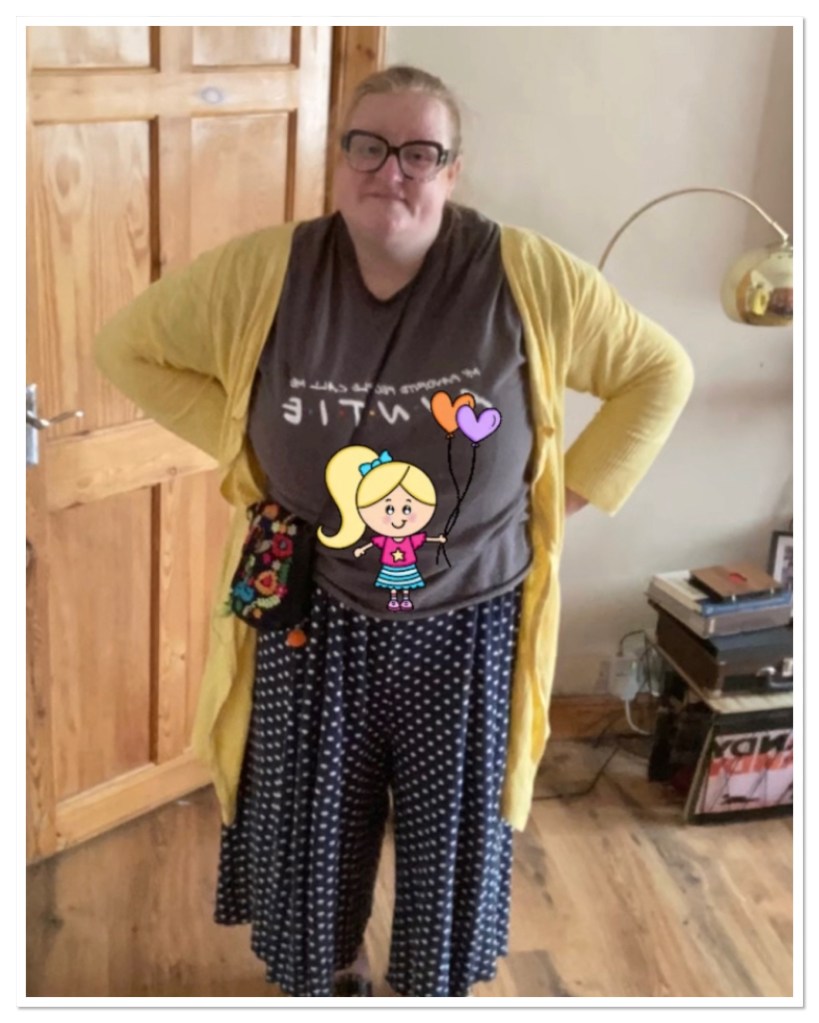
Picture of ly  with her hands on her hips and drawing of a child in her belly

Be vulnerable

This is another one that totally has merit in the right situation. There have been times when I have been scared of touching memories and emotions that made me feel vulnerable. I did need to work through that. Being vulnerable can be frightening, but it is also necessary. I would argue that engaging in therapy is already submitting to vulnerability in many ways. The showing up is a great first step. However, the canonisation of vulnerability has gone too far. There is definitely a time and a place for vulnerability. We can’t and shouldn’t always expose weak spots. We live in a fairly brutal capitalist society and being completely honest about your vulnerabilities will not serve you in many situations. People will take advantage, they will bypass you based on their perception of that vulnerability and many folk will judge you. Still I hear professionals who really should know better urge everyone to embrace their vulnerability throughout their life. It drives me crazy; we need to protect ourselves. Let yourself be vulnerable in safe spaces only.

Drawing of hands holding a heart on green background

Am I just jaded? Or do you feel frustrated by these therapy catchphrases? Maybe you have your own therapy pet hates. I would love to know your takes.

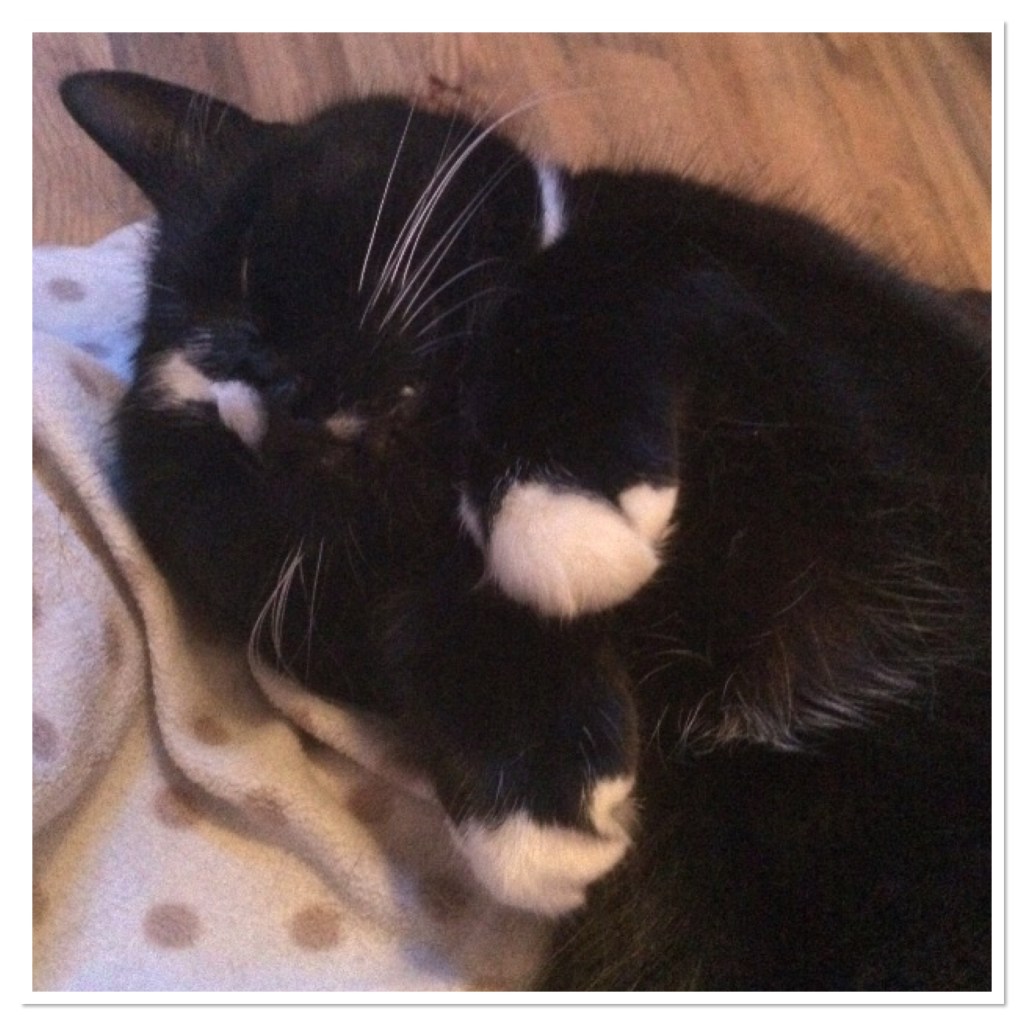
Close up of sleeining cat face and paws
Adorable Bronan for rant tax.

If you enjoy my writing you can support me here or on Patreon.
Is it really ok?

‘It’s ok not to be ok’. I can’t remember when it started, but it certainly picked up steam. It’s now the standard social media friendly, I support mental health awareness tag line. I know it is well intentioned, but increasingly, it doesn’t ring true.

Of course, in theory, it is true. It is normal to experience mental health issues. It’s fine to admit that you struggle. It is important to normalise mental illness. If you say it out loud, I am not ok, what happens next? If you’re lucky someone listens; someone cares. Maybe they ask what you need. Perhaps you get that help. The first time. Maybe.

It’s ok not to be ok in orange text with green quotation marks

What happens when the person you tell has no idea how to respond. What if you spill your guts to a doctor who doesn’t take you seriously. Or who does want to help you, but only has waiting lists to offer. Around 70% of those referred for mental health assessment in Scotland wait at least 18 weeks*. That’s a very long time to feel helpless, especially when there is no guarantee of treatment. What do you when the not ok doesn’t go away? Or if it keeps coming back? You try really fucking hard to be ok. You do the therapy and the meds and the hard work. It takes a long time. It’s gruelling and painful. All the time you know lots of people aren’t getting any treatment. You feel guilty that your receiving assistance that others aren’t. Even more so when the help hasn’t helped. You’re aware that the people who love you are scared. Your hurt hurts them. They want ‘ok’ as much as you do.

And you want it for them. When it slips from your grasp it’s harder to say it again. People have their own lives. Sometimes they might be struggling. Or they may be fabulous; enjoying some well deserved happiness. Everyone has stresses and responsibilities. Our lives keep us busy with the good and bad. Everyone must earn a living, manage their relationships, have fun. Who wants to be the person who complicates that? Not me.

When you’ve already done everything you’re supposed to do it’s hard to know how to banish the cloud. If the expert advice doesn’t do the trick how can well meaning friends help? Even when you really want to reach out there’s always an impediment. You don’t want to add extra strain when they’re in trouble. Nor do you don’t want to darken joyous life events. Sharing begins to feel less a problem halved & more a problem spread.

Very few mental health problems are a simple fix. None of the big issues in life are that black & white. When you fall back into the grey it’s terrifying. Especially when you know you’ve already had your shot. Ask anyone who has tried to access mental health services after discharge. It’s almost impossible. Drs will say you aren’t sick enough for referral. The NHS lacks the resources for early intervention. Access to talk therapy is limited. Almost 40% of those who received treatment reported that they did not have sufficient sessions**. Cognitive Behavioural Therapy is by far the most frequently offered intervention. Not because it is the most suitable, but because it is the cheapest & easiest to administer. Recovery is hard enough with appropriate support. When treatment is bungled it can do more harm than good. As already stated, re referral is doubly hard.

While you wait or fight for professional help (that may never come) your life is disintegrating. Friends who were initially supportive fade away when you never quite get all the way better. Employers sprint. They’ll talk a good game; train a mental health first aider or make a donation. Test their commitment with sick time or requesting accommodations & watch them run. You are left with the people who care enough to stay. Your predicament remains. You don’t want to worry them. You don’t want to ruin anything or be the thing that tips their bad news scale. It’s never the right time. We all want to believe that catch phrases are enough, but buzzwords will never cut it. What happens after I say I’m not ok?

The truth is, more often than not, nothing. The pandemic has only increased strain on an already buckling system. I don’t have all the answers. I do know that a cute Instagram post during an awareness month isn’t it. We need huge institutional shifts. More money, more training, more oversight. Our political representatives need to know that we want action. 1 in 4 adults will experience mental illness in their lifetime. Telling them that’s ok isn’t enough. We have to be advocates.

If someone in your life is suffering without help you can contact your Mp & express your concern.

Find out how long waiting lists are in your area & ask you Mp what they’re doing about that.

Stop voting for people who are actively defunding our health service.

Be proactive. Ask loved ones what specific help you can provide.

Use your social media to contact politicians directly. Ask questions publicly. Embarrass those whose voting records go against their constituents interests.

Accompany a friend to appointments if they require support. Insist that interactions are recorded in medical records.

We have to demand more of ourselves and of those with the power to make changes.

Truthfully, it doesn’t feel ok, not to be ok.

Open shouting mouth with the text your voice has power

* Information Services Scotland

** SAMH

If you like what I do you can support me here or on Patreon.
Help me if you can, I’m feeling down…

Are you losing the plot yet? I fear I’m getting there. Lockdown is getting harder. If like me you already have less than perfect mental health, you may be closer to the edge than most.

I’m with you. I’m finding all this time alone is churning up lots of issues I would prefer remain undisturbed. The isolation is leaving far too much room for pondering big issues. Existential questions that I couldn’t answer before the world went mad & are even more confounding now. I swing between Groundhog Day dread and being on jangly high alert. Trying to break the monotony of another day home alone by sorting your underwear drawer is a tiny bit depressing. My already racing heart attempting to burst right out my chest every time my noisy neighbours thump really isn’t fun either.

Am I doing anything that matters? Am I running out of time & is this pandemic melting huge chunks of what is left? Can I continue to makes ends meet? Am I doing enough for those who can’t? Can I get a Tesco delivery slot or my prescription? Will I ever get rid of long covid? Will all my loved ones get through this unscathed and will we ever be permitted to be in the same room again? This shit is only the tip of the iceberg. Beneath the surface are all the intrusive thoughts and fears of catastrophe.

Image of iceberg above & below waterline. The sea is vivid blue.

I say this with the knowledge that I am in a privileged position. I have security & a support system that many do not. Too many people are living in situations that are perilous in every possible way. Accessing even the most basic of assistance is getting harder. Half a carrot, a handful of tuna & frubes will not feed hungry children (if you don’t understand this ref, read this & try to control your rage). When you can’t rely on the system to ensure kids don’t starve you can bet that mental health services are in distress. A fact that has been keeping me awake at night as I worry about my own mental wellbeing.

With that in mind I wanted to share some resources. If you don’t feel you can wait to reach the top of an nhs waiting list one of these may be helpful.

Theses organisations offer reduced cost therapy.

Arbours Association

Frontline Therapist

Problem Shared

The Guild of Psychotherapists

Dedicated to Change Project

The Spark

Sandyford Glasgow

Most universities & colleges offer counselling services. If you are student it’s worth checking out what help your institution can give. Many also offer low cost therapy with students training in psychology disciplines.

You can find online support here:

Samaritans

Mind

Calm

Age UK

Women’s Aid

Beat

The Mix

Childline

There are also local services across the UK, a bit of google research may lead you to affordable (or free) help in your area. I know that none of these options are perfect, I wish I had the answer. In the absence of a complete solution I hope these options might be helpful.

As always when discussing mental health it is important to state that I am not a professional. Please seek advice from your GP in the first instance and contact emergency services if required.