More than embarrassing…

We’re all familiar with the reminder letters and campaigns urging us not to miss our cervical smear test. We are rightly told how important they are in detecting cancers early. I’m glad these tests are available. I am also happy that we are educated on why these tests are so necessary. However, I find myself increasingly frustrated with the messaging.
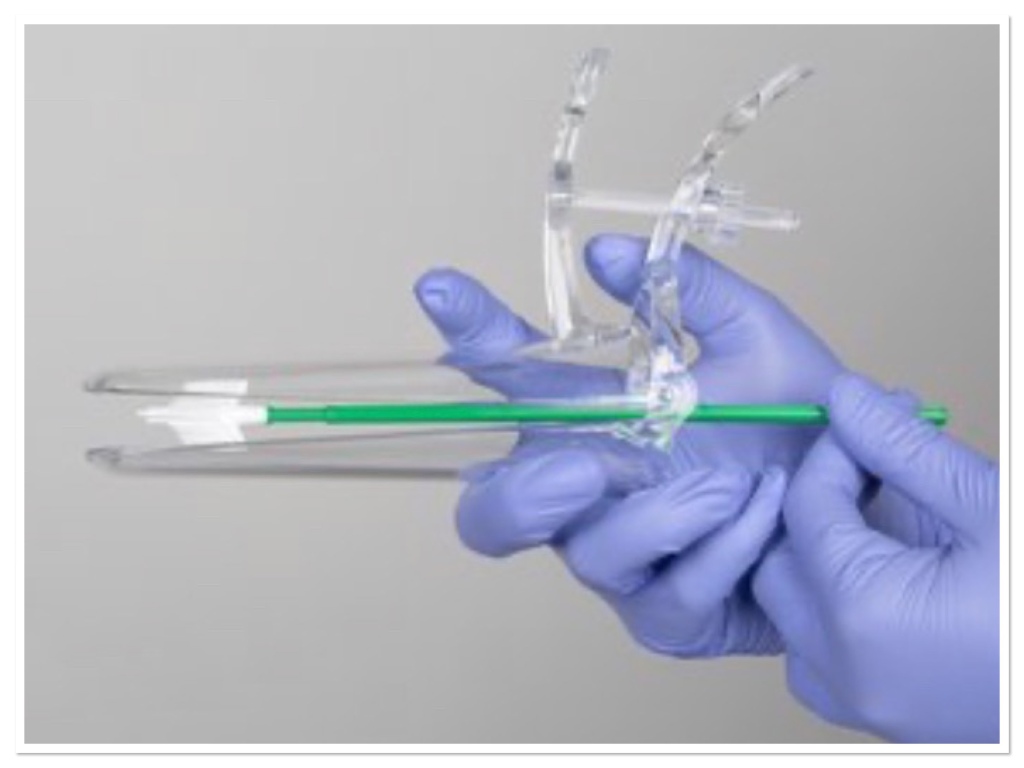
Gloved hand holding a clear speculum

So often when a person or organisation wants to encourage people to attend cervical screenings they focus on how easy it is. We’re told it is silly to be embarrassed and it will be over in a flash. Don’t risk your life over 5 mins of feeling awkward is repeated. Smear tests are confidently declared to be not painful. Just a little discomfort, nothing to worry about. While that might be true for lots, it is not full the picture. The patronising assumption that people miss smear tests because they’re self-conscious is harmful. Many people have valid reasons for their reticence. Addressing those issues would be a more effective way of increasing uptake numbers.

Research from Jo’s Cervical Cancer Trust and Rape crisis revealed that 72% of women who have experienced sexual violence have skipped or delayed a smear test. When you consider that at least 1 in 5 women have been sexually assaulted you can begin to understand the scale of the issue.

Birth trauma & pregnancy loss also impact a significant portion of those who require smear tests. Gynae exams & cervical screening require being in vulnerable positions that can trigger a trauma response. Recent research is finding that baby loss & birth trauma often results in PTSD. So, it’s easy to see why a smear test would be not a easy exam for those who are affected.

There are also medical conditions/physicalitys that can make a smear test very difficult. Conditions like ,vaginisimus, endometriosis, cervical ectropion and more can make smear tests painful or difficult. Cervical position, vaginal dryness, menopausal changes and FGM can also impact how a smear test feels.

Trans men may find smear tests hard for all obvious reason. Dysphoria, stigma, discrimination and more. I’m sure everyone can understand how having to deal with any or all of those things is a frightening prospect. It can also be difficult to access information; trans men may not be invited for cervical screening, there is confusion about who requires the test etc. Of course this may be combined with any of the other issues on this list.

This is by no means an exhaustive list. I just want to be clear that there are many real reason for a person to avoid cervical screening. That being said, how can we make it easier? Well, there are actually a lot of accommodations you can ask for. I don’t see this talked about enough, so I wanted to share that information.

Before I get into the details, I want to be clear that you do not have to disclose anything you are not ready to discuss. You can ask for accommodations without revealing your trauma.

Before the Test

You can ask you GP to take your name off the automatic reminder list if those letters are distressing.

Ask for the test to be performed by a person of your preferred gender.

If you have an established relationship with a Dr/Nurse you can ask to have them do your smear test.

Make an appointment to talk about the smear test. Discuss anything you need to talk about. Be that how the test is done, why is it done, your fears, worries etc.

Request a double appointment to allow time breaks, extra time.

Plan what you will do after the test. You may not feel up to returning to work or you might not want to be alone.

The Test

Take an emotional support person to the appointment.

Request a chaperone be present for the test.

Ask to talk through the ‘mechanics’ of the test before you start. Have the Dr/Nurse show you the instruments used.

Tell the person performing the test any words or phrases that could be triggering for you. If there are words of comfort that are helpful for you ask them to use those.

Explain how heavy/light a touch you are comfortable. If there are areas you would like them to avoid touching if possible, tell the Dr/Nurse.

Ask to insert the speculum yourself.

If you are concerned about specific trauma/pain response discuss that with the Dr/Nurse. For example tell them this part of the exam is usually painful for me or I might be unable to chat/answer questions.

Agree a plan of action beforehand; what would you like to happen if you are triggered/pain is too much. You can decide on a word or sign to use if you are in distress.

Combatting Pain/Distress

Mindfulness Techniques – Exercises like naming three things you can see, smell, hear can help route you in the now.

Distraction – Play music, make small talk with Dr/Nurse, your support person.

Squared Breathing – This sometimes helps me get through acute pain/the onset of panic. Breath in for 4, hold for 4, breath out for 4, hold for 4. Repeat.

Take a comforting object. Fidget object. Scent that invokes calming feeling. Hold support person’s hand.

Discuss having medication prescribed. Things like benzodiazepines can help with anxiety, allow your body to be less tense. Maybe you need a stronger pain medication to deal with the test/after effects.

Know Your Limits

It is ok to stop at any point. If any part of the process becomes too much, stop. You can reschedule the appointment. It is ok to try as many times as you need. This test is for you. You are not obligated to fit into anyone else’s timeline or expectations.

Smear test are an important part of early cancer detection, but your whole health & well being are equally important. Shaming people or dismissing the reason for their reluctance does not help. If we are to increase the uptake rates we need to acknowledge what is actually preventing people from attending. We also need to facilitate ways to address those concerns.

If you require more support you can contact :

My Body Back Project

Rape Crisis (Helpline – 08088 01 03 02)

Action For Trans Health

Jo’s Trust

If you enjoy my writing you can support me here or on Patreon.

Trigger bang bang…

Anyone who spends any time on social media will have become familiar with the term triggered. Over the last few years it has entered the public lexicon. Unfortunately, it’s meaning has been incorrectly implanted in the public consciousness.

Triggered is actually a psychological term usually related to PTSD. A trigger is an external stimuli that produces a very uncomfortable emotional response; most often panic attacks or flashbacks. However, varied symptoms can result from the triggering of a traumatic memory. It absolutely does not mean offended or hurt. I’m sure most people will have come across the correct explanation of the term. I have certainly witnessed many try to explain why using the term as an insult or a vehicle for mockery is not ok. Yet, the misuse continues. It occurred to me that perhaps what is needed is an accurate representation of what happens when a person with PTSD is triggered. Maybe if people understood the reality they wouldn’t throw the word around so carelessly. So, I thought I would share what triggered means to me.

Whenever I have been pregnant I have been unable to wear my regular perfume. I wear the same scent everyday in life, but some weird olfactory sensitivity means during pregnancy it makes me nauseous. Thus, I change it & the scent I wore I during my first pregnancy is a major trigger for me. Triggers can be anything & no one has any control over what might become one. I experienced a million sights, sounds & sensations during that time, most of them hold little power over me. That scent, though, is potent.

Snow patrol, blue sky

Formidable enough to render me a sobbing wreck. Being taken off guard by that scent whilst shopping forced me to run shaking from a book shop to vomit in the street. All the while struggling to breath & bring myself to the present. A nurse who had too liberally applied the fragrance sent me shuddering back 15 years. Leaving me so panicked I crawled behind a chair & hid. I stayed crouched on the floor desperately trying to claw my way out of the worst day of my life. Completely trapped in my own personal horror film until some kind soul got me some diazepam & did me the kindness of handing it over without questions. That heady aroma has caused nightmares so vivid that I’ve woken myself with my own screams. Dreams so painfully real that I’ve had to keep myself awake for days. Sitting in the company of someone wearing that perfume once contaminated me. On returning home I could not rid myself of the smell. Real or imaginary it lingered until I smashed my hand with a marble pestle. So tortured was I by the memories the scent brought to life that I ploughed that pestle into my hand until I broke two fingers. The cracking of bones a welcome jolt back to the here now.

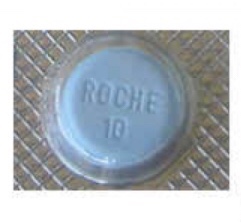
Diazepam 10mg

Triggers are uncontrollable. It is not within the power of a traumatised person to select what reactivates their trauma. Nor can they choose not respond. Our minds shelter dark territories & they’re all one way roads. Once you’ve slipped in, you have to press on through. Being triggered isn’t a foolish over reaction. Nor is it the hurt feelings of the overly sensitive. It is the raw & brutal reality of those who have dealt with the unimaginable. It’s a battle scar on the brain.

I can’t stop anyone from misappropriating a word. Ignorance abounds. The only tool I have to fight with is honesty. The truth is that trivialising a serious symptom of illness hurts. It stifles the conversation & prevents people seeking help. It makes vulnerable people feel weak & ashamed & stupid.

So, no, I’m not triggered by your cheap dig. I’m just tired of the stigma. Very, very tired.

Don’t tell me what to do…

In this world of self care & mindfulness it seems like everyone thinks they’re a therapist. Don’t get me wrong, sharing what works for you & talking about our mental health is great. It’s just that, to put it bluntly, some people talk crap. Others just regurgitate tired old advice that ain’t helping anyone. Man alive, I’m sick of it.

I want to talk specifically about the useless chatter surrounding self harm. I’ve been hearing & seeing the same patronising advice for YEARS. The most frustrating part is it often comes from people who really should know better. So, allow me to take you through why so much of the standard advice is just plain bad.

1/ Draw on your skin instead of cutting/burning etc.

This one usually takes two forms. The first opines that whatever relief/release a person may find in hurting themselves they can also attain by simply drawing on their skin. Now, let me ask you this, if drawing lines on yourself would make you feel better would you be causing physical trauma in the first place? The answer is of course, no. The components of self harm that serve a purpose vary, it may be pain, blood, disfiguring the skin or even a need to punish oneself. None of which needs are met by drawing.

The second part of the draw on your skin nonsense is the idea that you draw something pretty (often a butterfly) where you would normally self harm. The desire to preserve the ‘body art’ is then supposed to dissuade a person from ‘spoiling’ their skin. The stupidity of this idea is obvious. If actually scarring oneself will not prevent a person from harming themselves it seems very unlikely that spoiling a temporary drawing will. Even if by some miracle a biro butterfly were enough to assuage overwhelming distress, the body has a lot of flesh. Are people to cover every inch of themselves in rainbows & roses?

Butterfly drawn on skin

2/ Have a hot bath, cup of tea, blah, blah, blah…

Imagine the kind of agony you would have to be in to take a scalpel to yourself & cut for hours. Do you think a nice bath would magic that away? The answer is no. A bath helps you feel better at the end of tiring day. It does not release you from excruciating emotional pain.

3/ Distract yourself.

The need to self harm is powerful & persistent. For some reason lots of people (both professional & laymen) believe the urge is fleeting. I often see those struggling told to distract themselves until the urge passes. This advice betrays an ignorance regarding the workings of self harm. The need to hurt oneself does not easily wane. In fact, the longer a person self harms the stronger the compulsion becomes. Often it is impossible to focus on anything else. No sleeping or eating or thinking until the hunger to hurt is sated. It isn’t possible to distract oneself from that level of intrusion. When you cannot function on the most basic of levels watching a film or phoning friend are not options.

4/ Throw away your self harm tools.

The rationale here being that if one does not have the apparatus used to self harm, then self harm is impossible. WRONG.

As already discussed the compulsion to injure oneself is incredibly strong. Desperate people become ingenious. Trust me, when you really need to, you can hurt yourself with anything. Believe me again when I say those fraught & frenzied moments are when people make mistakes. As incomprehensible as it sounds self harm can be the very thing keeping someone alive. Asking or obligating an ill person to give up their lifeline is dangerous. It is also cruel.

5/ Ping your wrist with an elastic band/hols an ice cube in your hand etc.

My objections to this one are again two fold. To begin with it’s just ineffective. Self harm is both a habit firming & escalating problem. A person almost always experiences a need to increase the severity of their injurious behaviour. This takes us right back to the start. If the nip of an elastic band were sufficient, no one would be putting themselves in hospital via self harm.

A more serious objection, though, is the message this sends. Telling a vulnerable person that hurting themselves is ok, is a head fuck of massive proportions. Self harm is never the real problem, it is a symptom. In order to tackle self harm one must deal with the underlying issues. That is hard work, time consuming work. It’s much easier just to counsel harm minimisation. In doing so, you validate a sick person’s maladaptive thought process. That mental health professionals routinely tell patients that hurting themselves is ok is a disgrace. The basic premise of the hold an ice cube/ping an elastic band technique is that hurting yourself is a reasonable response to emotional turmoil. Just don’t do it badly enough to bother other people. By suggesting someone harm themselves in a small way you have shifted the conversation from, ‘let’s help you not hurt yourself’ to ‘hurt yourself in ways that do not draw attention to the act’. It is ignoring the root of the problem & allowing a person to believe that they are deserving of pain. It’s lazy, it counter productive & it is bullshit.

Hand holding ice

If you are struggling with self harm or you know someone who is, don’t feel helpless. When you are searching for help & find only these sort of suggestions it can feel like there are no answers. Whilst there are no quick fixes, there is hope.

See your Gp. If they don’t listen or offer help, see another Gp. I know this is exhausting at a time when you can least afford a fight, but please, don’t give up. If you have a friend or family member who can be your advocate, take them with you. You deserve treatment. You deserve care.

If you have badly injured yourself please seek medical advice. Again, if you have a friend or family member who can support you, take them along. If you do not & are worried about how you will be treated taking a copy of NHS NICE GUIDELINES can be helpful. You are entitled to be treated with the same compassion & respect as any other patient. Most emergency personnel will do this, but a few may need reminding of their duty. Being able to quote these guidelines helps in such situations. As scary as this may sound, do not put yourself at risk by avoiding treatment. You are worthy of diligent medical care.

If you are not yet ready or able to see a Dr, you can contact The Samaritans 24/7.

Call – 116 123 (uk)

Email – jo@samaritans.org